
What You Should Expect From Your Lead
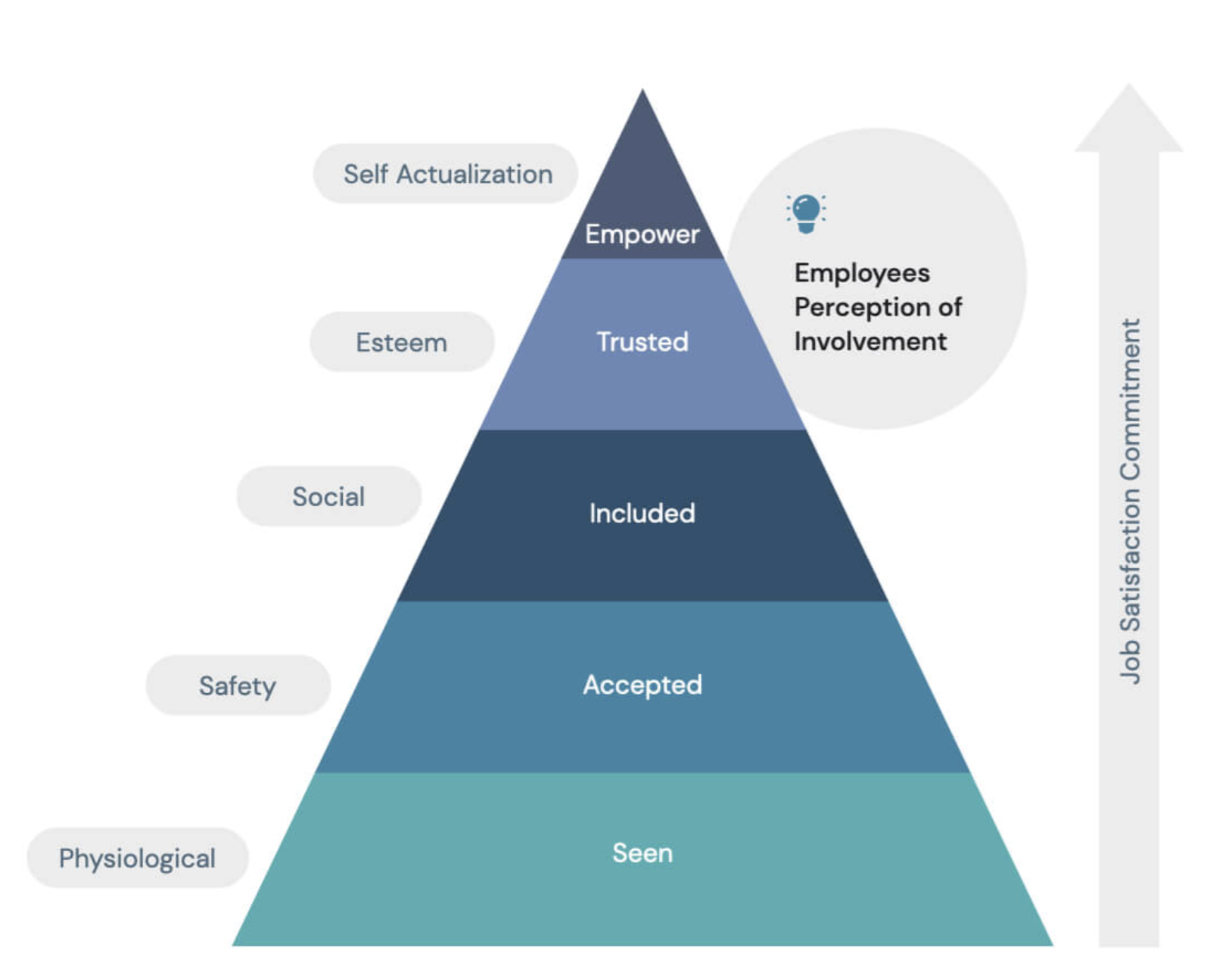
There's a reason Maslow's hierarchy works as a mental model here. You can't focus on career growth if your basic needs as an engineer aren't met first. A lead who talks about your "development plan" but schedules meetings over your lunch break is solving the wrong problem.
Whether your lead carries the title of tech lead, team lead, or engineering manager doesn't change much. The role is the same: someone accountable for your environment, your growth, and the team's output. Over the years — as both an individual contributor and a lead myself — I've come to think of what you should expect from that person as a pyramid. The foundations are non-negotiable. The higher levels are where the relationship becomes truly valuable. And each layer depends on the one below it.
The Foundation: Respect and Trust
This is the floor, not the ceiling. If these aren't in place, nothing else matters.
Respect the person first. Before disagreeing, before redirecting, before offering a different perspective — listen. Understand where someone is coming from and why they think what they think. A lead who jumps straight to "have you considered..." without first absorbing what was said isn't leading, they're overriding. The best leads I've worked with always made me feel heard before they challenged me. That order matters: listen, understand, then engage. It also means respecting boundaries — engineering is knowledge work that requires focus and recovery. A lead who expects Slack responses on Sunday evening is borrowing from next week's productivity to feel busy today.
Don't micromanage. If you hired someone to make decisions, let them make decisions. Micromanagement isn't just annoying — it's a signal that the lead doesn't trust the team. And teams that don't feel trusted stop taking initiative. The best leads I've had gave me a goal and got out of the way. The worst ones combed through every pull request searching for lines that didn't match how they would have written it — not evaluating whether the approach was sound for the stage of the work, but enforcing their personal style as if it were the only correct one.
The Middle: Ownership and Protection
Once trust is established, the relationship can deepen. This is where good leads start to differentiate themselves.
Give real ownership. There's a difference between delegating tasks and delegating problems. Task delegation means the engineer is an executor. Problem delegation means they own the outcome — the research, the trade-offs, the decision, and the result. The second version is how engineers grow. The first is how they stagnate.
Shield the team. Every organization generates noise — last-minute requests, unnecessary status meetings, fire drills that turn out to be sparks. A good lead absorbs that noise so the team can focus. This doesn't mean hiding information; it means filtering it. The team should know what matters and be protected from what doesn't.
Give feedback in real time. Annual reviews are post-mortems disguised as development tools. By the time you hear about a problem six months after it happened, you've already internalized the bad habit. The best feedback I've received came within days of the event — specific, actionable, and delivered in a one-on-one, not a formal review.
The Peak: Growth and Challenge
This is where a lead becomes a multiplier. Not every lead operates at this level, but the ones who do change careers.
Challenge fairly. The best growth happens at the edge of your comfort zone — not deep inside it and not miles beyond it. A great lead assigns you something slightly harder than what you think you can handle, then backs you up when you stumble. And here's the flip side: if your lead believes you can do something you doubt, trust them. Sometimes the only way to find out is to jump.
Be clear about what "next" looks like. Vague promises of advancement are worse than no promises at all. A strong lead can articulate exactly what skills, behaviors, and deliverables are expected for the next level — and ties regular check-ins to that progression. If you don't know what you need to demonstrate to level up, your lead hasn't done their job.
Don't limit growth to your team's scope. The leads who've had the biggest impact on my career were the ones who connected me with opportunities beyond their own team — cross-functional projects, visibility with leadership, or simply an introduction to someone working on a problem I cared about. They optimized for my growth, not just their team's output.
The Uncomfortable Truth
This hierarchy works both ways. As an engineer, you earn access to the higher levels by delivering at the lower ones. A lead can't give you ownership over a critical project if you haven't demonstrated that you can be trusted with smaller ones. They can't shield you from noise if you're generating it.
The best lead-engineer relationships are built on mutual trust, accumulated over time, through consistent follow-through on both sides. Expect these things from your lead — but be prepared to earn them.